

























“The Role of Therapy Dogs in Modern Education”
As schools across the country grapple with rising student anxiety and the need for social-emotional learning, a growing chorus of educators and advocates is proposing a four-legged solution: therapy dogs. But is the presence of a canine in the classroom a transformative educational tool, or a potential disruption to the academic environment?
Ms. Bick, a math resource teacher, emphasizes the necessity of proper preparation. She asserts,
“I believe dogs who have been trained to be in support situations should definitely be allowed in schools!” According to Ms. Bick, these animals provide essential emotional support that can “brighten a student’s day during tough times.”
For Mrs. Cooke, a fifth grade teacher at New Hartford Senior High School and Mrs.DeeAnn Richmond a cheer coach, the classroom dog serves as a living lesson in character development. They argue that the presence of an animal fosters a unique environment for growth.
“I think it is wonderful to have dogs in schools,”Mrs. Cooke, a 5th grade teacher, says.
And Mrs. Richmond noted, “I think it does help children to be empathetic and responsible.”
Mrs. Cooke believes that having dogs in schools is a great idea and can really bring joy to students who might struggle.
Mrs. Richmond agrees, adding that “dogs can help children learn to be empathetic and responsible.”
Both quotes highlight the positive impact dogs can have on children’s development and well-being in a school setting.
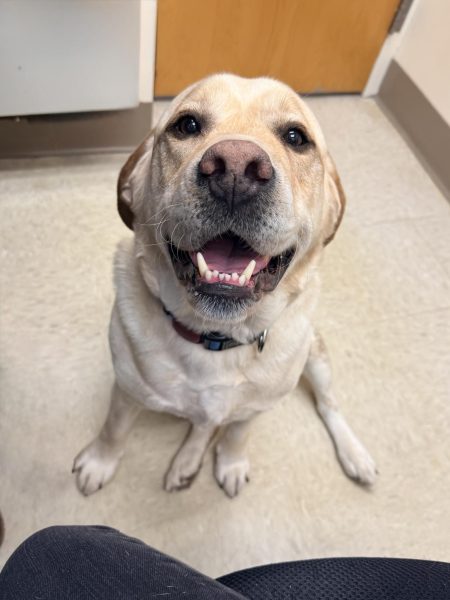
One remarkable initiative is being implemented by Mr. Davis, the Bradley Elementary School principal, who has embraced the power of therapy dogs which he brings to school every day for the kids.
“There is plenty of research that suggests that dogs can be a positive presence in school,”Mr. Davis said. “In most cases the factors that would recommend dogs not be allowed in school, such as allergies, fearfulness, or unfamiliarity, can be overcome with careful planning.”
Mr. Davis believes that dogs can have a positive impact. He mentions that research supports this idea. He also acknowledges potential issues like allergies or fear, but suggests these can be managed with careful planning.
Managing the “Distraction” Factor
People often worry that animals will pull focus away from the curriculum. However, with the right structure, this is a manageable concern.
Ms. Bick suggests that “maybe we can create cozy spaces for them when needed.”
Creating a space in the classroom for the dogs can help manage the distractions that the dogs can make with the kids wanting to be around them instead of focusing on school work.
“These animals are particularly effective during student ‘meltdowns,’” Mrs. Cooke said. The presence of a dog provides a unique form of motivation, noting that “the children don’t want to disappoint the dog.”
Mrs. Cooke argues that while some might initially view a dog as a distraction, this can be easily mitigated through “clear parameters and expectations,” ultimately turning the animal into a valuable educational tool that fosters empathy and responsibility. She emphasizes that “with clear parameters and expectations, this would not be an issue.”
Mrs. Richmond add her feelings on this matter stating,“Absolutely. It can teach many things like kindness, how to not be overwhelmed, to be calm in moments of big emotions.”
Mr. Davis also adds that, “I think that dogs can be an initial distraction, but once they are integrated into the school culture, dogs can be very helpful in teaching empathy and responsibility. For example, we have sixth grade helpers whose job is to help care for our certified therapy dogs during the school day.”
Mr. Davis believes that while dogs might initially be a distraction, they can teach empathy and responsibility. He gives the example of sixth-grade students helping to care for the therapy dogs.
In order to have a therapy dog in school there are steps that people can follow in order to allow their dogs in school. This is supported by an online source called “Dogs in the Classroom Educational Program Apply”.
- Certification: Therapy dogs need to be certified by a recognized therapy dog organization. This ensures they have the right temperament and training.
- Health Checks: Regular vet check-ups are a must to make sure the dog is healthy and doesn’t pose any risk to students.
- Training: Besides basic obedience, therapy dogs undergo specific training to handle different situations they might encounter in a school environment.
- Handler: A trained handler, often a teacher or counselor, must always be with the dog to manage interactions and ensure safety.
- School Policies: Schools need to have clear policies about therapy dogs, including where they’re allowed, how students can interact with them, and what to do if there’s an emergency.
- Parental Consent: Getting consent from parents is important, especially for students who might have allergies or fears related to dogs.
- Insurance: The school usually needs to have insurance coverage that includes therapy dog activities.
- Trial Period: Sometimes, schools start with a trial period to see how the therapy dog program works and make any necessary adjustments
Therapy dogs can bring a lot of good to schools. They help students feel calmer and less stressed, which is great for learning. Just petting a dog can lower anxiety and make kids more comfortable in the classroom. These dogs also support kids’ emotional growth. They offer comfort during tough times and teach empathy. Plus, having a therapy dog around can make school a happier place for everyone, boosting positive relationships and creating a sense of community.