


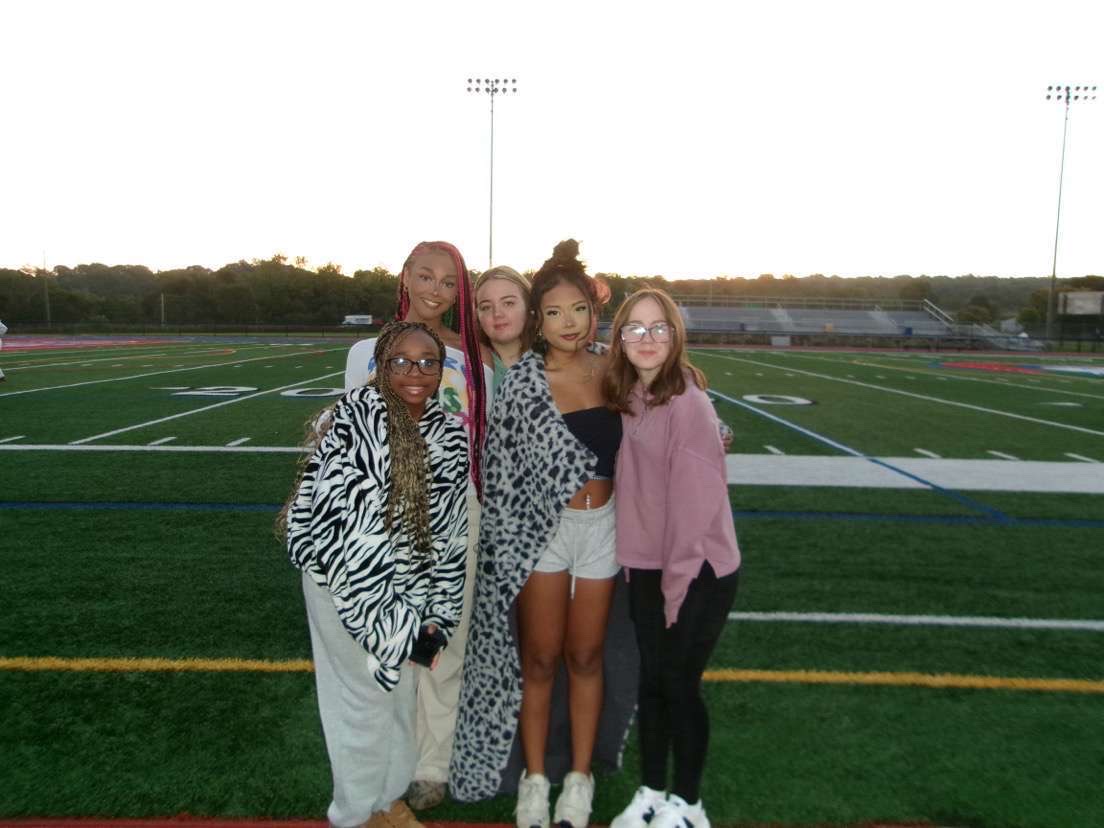






















In recent years, the conversation around diversity and inclusion has moved to the forefront of educational discourse across the United States. including the classrooms and hallways of New Hartford, where students, teachers, and parents are witnessing and shaping a new era of diversity.
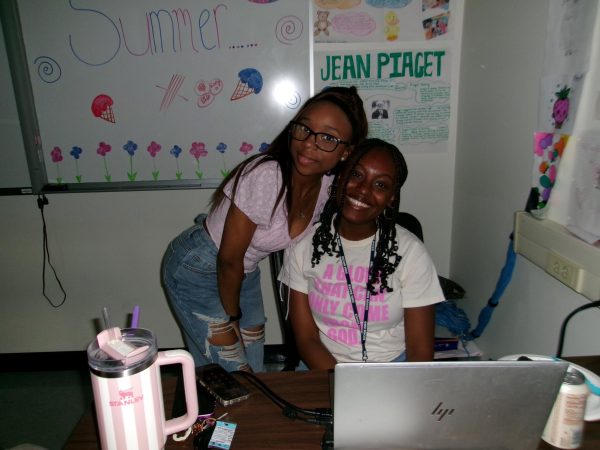
Having my first African American teacher was a turning point in how I viewed school. Before that, I often felt like there wasn’t really a lot of diversity happening with different teachers and students. I felt my teacher Ms. McMath, who was my BOCES Early Childhood teacher, really inspired me, more than ever to become another African American teacher, showing me that I could belong and succeed in academic spaces. It also made me realize how important representation is, and sparked a desire in me to become a Black teacher myself because I knew there were other students who needed to see someone like them leading and teaching, just as I did.
When Mrs. McDermott, a special education teacher, first began teaching, she remembers classrooms that were far less diverse than they are today. She sees something now that she never saw years ago: classrooms filled with students from many backgrounds, districts celebrating Eid and Juneteenth, and lessons that include global perspectives.
“Diversity in schools has changed from years ago,” she says. “Classrooms are more racially and ethnically mixed, and the curriculum is culturally responsive.”
For Mrs. McDermott, diversity means recognizing, respecting, and fueling the differences that make each person unique—race, culture, religion, and perspective. She believes this makes learning “more interesting and powerful.”
Mr. Ryan, an eleventh grade English teacher, agrees.
“I think we do a better job with representation and diversity than we did when I was younger/started teaching in 2000,” he said. “There was a time when it was dead white male authors and maybe Harper Lee and S.E. Hinton. I see a difference now. I see more diverse representation. I like that. I also see diversity in clubs and organizations. I have seen pride clubs in local districts, and now I see TPUSA chapters in schools. Back when I first started teaching, it was a chess club and student council. So there is more diversity in clubs, like it or not. The one that hits home most to me is diversity in inclusion in schools. Three of my four children have IEPs and twenty years ago, their education in school setting may have looked a lot different than it does now. Mainstreaming students is a form of diversity in school that I am very thankful for.”
Diversity at New Hartford Senior High School is seen as a valuable and beautiful part of the community. One student, Anayla Thompson, a senior at New Hartford High School points out that, “Schools are definitely more diverse now. I remember in elementary and part of middle school when I was the only black person in my class and felt like an outsider. Now, I always see people who look alike and different to me and it is always so nice and beautiful to see.”
Anayla’s experience highlights how diversity creates a welcoming environment where everyone can feel included.
Mr. Benson New Hartford’s Senior High School principal notes “ the school has become more diverse over the past ten years,” suggesting positive growth in representation and acceptance.
Mr. Ryan adds to what diversity means:“It means differences within a group, such as differences in race, culture, gender, age, religion, ability, etc. It means mixing various types of people together, and it means representing all people. It is the mirrors and windows analogy. We must see ourselves often and others as often.”
His words emphasize that diversity allows individuals to both see themselves reflected in others and learn from those who are different. Altogether, these views show that diversity is not just about having different people in one place, but about celebrating those differences and using them to build a stronger, more understanding school community.
Anayla Thompson shares her feelings on it as well: “Diversity to me means people of all backgrounds. White, Black, Latino, Asian, gay, transgender, disabled. Everyone is different and that’s what’s beautiful in the world. There are so many cultures, languages, dishes, holidays, traditions, etc. Even civilizations that are hundreds of miles away do similar things, and that’s just how the world should be.”
Anayla values diversity as the variety of identities, cultures, and experiences that make the world interesting and beautiful. She appreciates both the differences and similarities among people everywhere, seeing them as something to celebrate
Mr. Benson shares that diversity “is about embracing all parts of our world and can be contributed to anything celebrating all that our world has to offer.”
Mr. Benson’s view highlights the importance of accepting and appreciating every aspect of our global community. He believes diversity means recognizing and celebrating the richness found in all areas of life.
“I think students learn best when they can connect with a person,” Mrs. McDermott says. “This doesn’t necessarily mean they have to have the same ethnic background, but in some cases, it might help students build rapport with their teachers. Diversity in a school setting fosters understanding, compassion and community.”
Mrs. McDermott points out that diversity in schools can help students form connections with teachers and peers, which supports learning. She notes that while shared backgrounds can help build relationships, diversity overall creates opportunities for understanding and connection.
Mr. Ryan also shares an interesting viewpoint on how he feels being a teacher who is not a person of color:“That’s a good question. I can only speak for myself, as a white person who has had predominately white teachers, I have not even considered it being an issue of impact. I would be very interested in hearing how a nonwhite person would feel about having predominately all white teachers.”
We see that Mr. Ryan is reflecting on his own experience and recognizing his limited perspective. He admits he hasn’t thought about how teacher diversity might affect students, especially those from different backgrounds. This openness to hearing other viewpoints is important because it shows a willingness to understand experiences outside his own, which is a key step toward fostering inclusivity in schools.
Anayla Thompson shares her thoughts on how diversity can affect students especially whether or not the teachers might be different from the students of color.
“Some people may be uncomfortable, but that’s just who they are,” Anayla said. “Others will be eager to learn from someone different from them and a teacher with a different teaching style/attitude may make someone learn better.”
Following Anayla’s statement, it’s clear she acknowledges that reactions to diverse teachers can vary. Some students may struggle with change or difference, while others thrive when exposed to new perspectives and teaching methods. Her comment highlights the potential benefits of diversity in education—students may gain more from learning in environments where teachers bring unique backgrounds and approaches.
Mr. Benson adds about how students might be affected by saying, “ I Imagine it may be challenging for some students but hopefully we can find ways we can help students that may feel a certain way”.
Mr. Benson recognizes challenges exist for students when adapting to diversity. He implies that schools and educators should actively seek ways to support students through these transitions, whether by providing resources, fostering open conversations, or creating welcoming classroom environments.
This lack of diversity can impact the school environment in several ways. It may limit opportunities for cultural exchange and understanding, and African American students may feel isolated or underrepresented. To address this imbalance and encourage greater diversity. The district could consider the following steps to fix this:
- Community Outreach Partners with local organizations
- Community leaders to promote New Hartford as a welcoming place for families of all backgrounds
- Develop programs and events that celebrate different cultures and histories, making the school more attractive to diverse families
- Support Services Provide resources and support for minority students to ensure they feel included and valued within the school community.
These steps can help welcome a more diverse student body and create a more welcome school community full of every race.
While challenges remain, the progress made over the past decade is certain. By continuing to embrace diversity in all its forms schools can ensure that every student feels seen, heard, and valued. As the community looks to the future, the hope is that diversity will not just be celebrated during special events or months, but woven into the fabric of everyday school life.

Kelly Nugent • Mar 31, 2026 at 8:20 am
Thank you for this incredibly important article, Elizabeth!