
























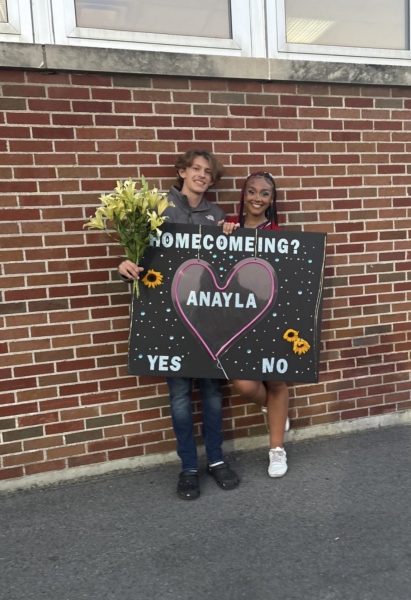
What is love? Is it the nervous first glance across the cafeteria, the excitement of a flower delivery mid-class, or the subtle support of someone who shows up for you every day?
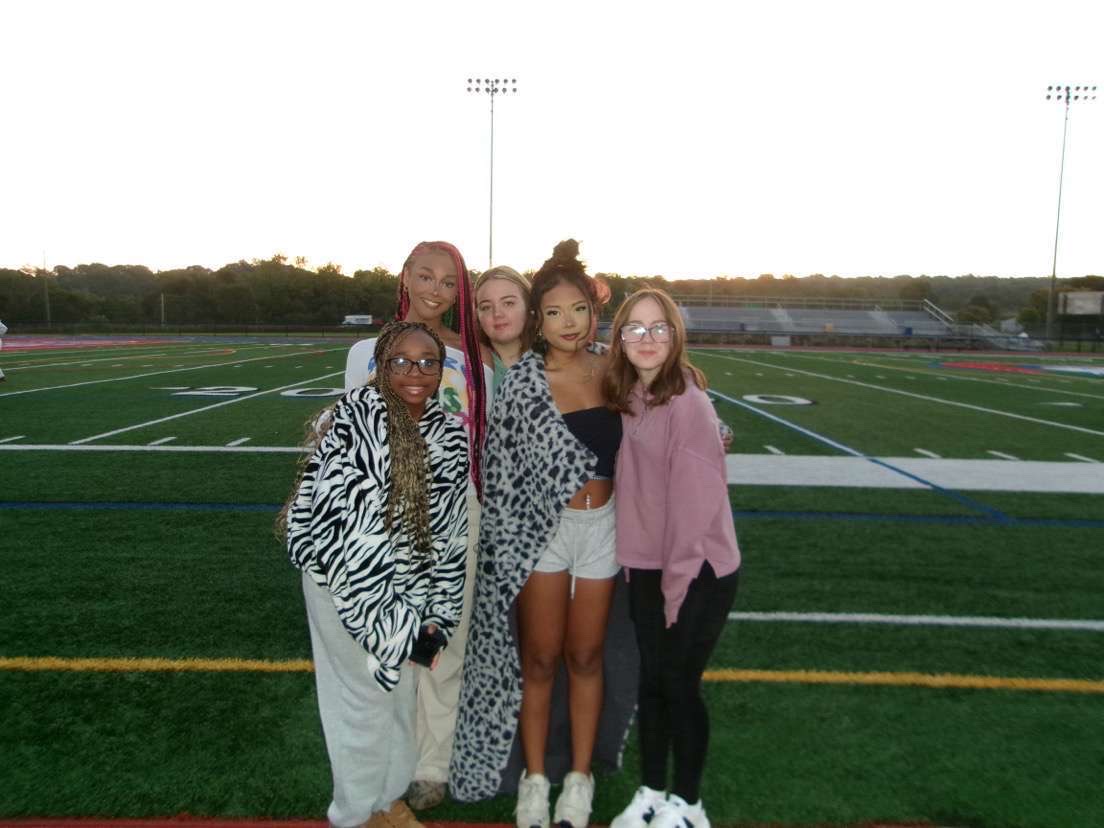
At New Hartford High School, love takes a million different forms. Whether romantic, familial, or personal, love shapes us all into the people we are truly meant to be and supports us on the way.
As Valentine’s Day approaches each year, it’s easy to focus only on heart-shaped candy and appreciation posts flooding everyone’s social media. But behind the holiday and all of the headlines lies something deeper: a powerful human emotion rooted in both psychology and history.
Love may seem magical, but psychologists explain that it is also deeply rooted in biology. When someone develops a crush on someone or falls in love, the brain releases dopamine, which is a chemical associated with pleasure and reward. This is why early attraction often feels exciting and extra time-consuming.
However, over time, long-lasting relationships are supported by a chemical named Oxycontin which is also known as the bonding hormone. This promotes trust, attachment, and emotional security.
In other words, while butterflies may spark a connection, commitment and compassion are what sustain it. Love isn’t simply a fleeting emotion. It’s a combination of chemistry, choice, and care.
Senior Landon Smith reflected on this idea when asked what love means to him: “Love is what makes someone wealthy because you can’t just buy love, so love to me is everything.”
Landon’s response highlights an important truth: love holds value that can’t be measured materially. In a society that often stays focused on success and status, his perspective reminds us that emotional richness can outweigh financial wealth.
Love, in this sense, becomes not just a feeling, but a foundation for fulfillment.
Valentine’s Day itself has roots dating back to ancient Rome. One famous legend entails Saint Valentine, a priest who secretly performed marriages when they became outlawed. By the Middle Ages, Valentine’s Day, the day Saint Valentine was executed for his actions, became associated with romance, as people believed February marked the beginning of birds’ mating season. Over time, the tradition evolved into exchanging handwritten notes, flowers, and eventually the cards and various other gifts that we receive today.

Dating has transformed as well. What once involved formal courtship and family supervision has shifted into private messages, FaceTime calls, and social media interactions. While technology has changed how relationships begin, the fundamental desire for connection remains the same.
Young people today continue to navigate trust, vulnerability, and communication. Senior Elizabeth Burnett shared a perspective shaped by experience and reflection.
“The biggest thing I learned is being compassionate to someone and not thinking that you hold most of the power in a relationship or if you are in love,” Elizabeth said. “It changed my perspective on life because it makes me think more about life and all the love people might have for each other or to even see the love that’s not there for people.”
Elizabeth’s insight reflects a mature understanding of healthy relationships. Psychologists emphasize that strong partnerships are built on mutual respect rather than control. Her emphasis on compassion suggests that love requires empathy, the ability to recognize both the presence and absence of care in our lives. That awareness, in turn, shapes how we treat others–whether they are loved ones or not.
While high school conversations often center around dating, love extends far beyond romantic relationships. For many, the first and most enduring example of love comes from family. When asked what love means to her, an elementary school student shared amazing examples of who and what love really means to them.
Fourth grader Mya Harris shared, “My mom, because I love her. She cares for me, she feeds me, she protects me and is nice to me. She makes me clean even though I don’t like it. But I love her because she loves me too.”
Mya’s answer captures the simplicity and sincerity of unconditional love. Her description reminds us that love is not always glamorous; sometimes it appears in everyday acts of care, guidance, and even discipline. At its core, love is reciprocal – it is about giving and receiving support.
But of course, love does not always unfold perfectly.
Heartbreak is often one of the most difficult emotional experiences, and research shows that social rejection can activate the same areas of the brain associated with physical pain. This explains why breaks can often feel overwhelming and even be life changing.
However growth frequently follows discomfort and depression. New Hartford community member, Mirela Noti, shared a powerful and uplifting statement for people struggling with heartbreak.
“Absolutely, you can live after heartbreak,” Mirela said. “A heartbreak is only temporary and means that the person you’re supposed to end up with hasn’t found you yet. Look back on the previous heartbreak and make sure to learn from it so when the next person comes you will be able to see the person’s true colors. And hopefully, you’ll find your person and fall in love– I did.”
Mirela’s advice emphasizes resilience. Heartbreak, while painful, can provide clarity about boundaries, values, expectations. Rather than signaling failure, it often serves as preparation for healthier relationships. This comment should give hope to everyone struggling with heartbreak, that some day they may find the person for them. The person who always understands you when you’re upset, who always makes sure you’re taken care of and seen, the person who was made for you.
At New Hartford High School, love is not confined to one definition. It is the excitement of new beginnings, the growth that comes from compassion, the steady presence of family, and even the lessons learned through loss. It is both emotional and scientific, historical and deeply personal.
As students continue to grow academically and socially, love remains a central force shaping their experiences. Whether found in friendship, family, or romance, it influences identity, resilience, and empathy.
Ultimately, love is more than a holiday tradition.
It is a lifelong lesson.
One that continues to unfold in classrooms, hallways, and homes throughout our community.
Spread love today!
Sharing a smile with someone can always brighten their day, and even yours too!


Bristol Jasiewicz • Mar 2, 2026 at 1:12 pm
I enjoyed reading this! great job!