



















Media streaming giant Netflix announced in early December that they plan on buying out historic film conglomerate Warner Bros. for $72 billion to widespread backlash from cinephiles and anti-trust activists alike.
The platform–known for their preference of online streaming to theatrical releases–has seen a slow down in growth in recent years, according to the Associated Press. The buyout would see Netflix gain a variety of Warner Bros. projects including DC, Harry Potter, and the company’s vast catalog of award winning films like Casablanca, Citizen Kane, and Barbie.
While Netflix has promised that the purchase would be beneficial to consumers by giving them “more of what they love,” reports NPR, not everyone is convinced.
Concerns over a Netflix monopoly in the streaming industry and the impact on theaters have spread like wildfire since the announcement.
For film-makers, the effects of the purchase are even more concerning.

The Directors’ Guild of America condemned the purchase in a public statement stating that a “competitive industry — one that fosters creativity and encourages genuine competition for talent — is essential to safeguarding the careers and creative rights of directors and their teams.” The Writers’ Guild of America reacted similarly.
“The [buy-out] would eliminate jobs, push down wages, worsen conditions for all entertainment workers, raise prices for consumers, and reduce the volume and diversity of content for all viewers,” they wrote in a statement strongly denouncing Netflix’s actions.
Theater-goers have lauded the buyout as a “certain death” to cinema.
Micheal O’Leary, CEO of the Cinema United–a trade union for theaters–encouraged regulators to review the merger thoroughly and stated that Netflix is not established to support theatrical releases, reports NPR.
In the past, Netflix has been willing to give films the minimum theatrical release to qualify them for Academy recognition, reports Jesse Hassenger for The Guardian, although somewhat “begrudgingly.”
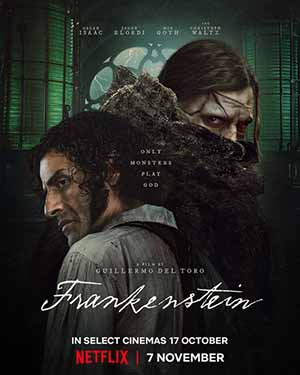
In recent years, Netflix has shown a distinct disdain for releasing their movies in cinemas. In 2025, the company gave limited theatrical runs to Guillermo Del Toro’s Frankenstein and Rian Johnson’s Wake Up Dead Man with only a few weeks in theaters for both before being released on streaming, despite high audience anticipation for both.
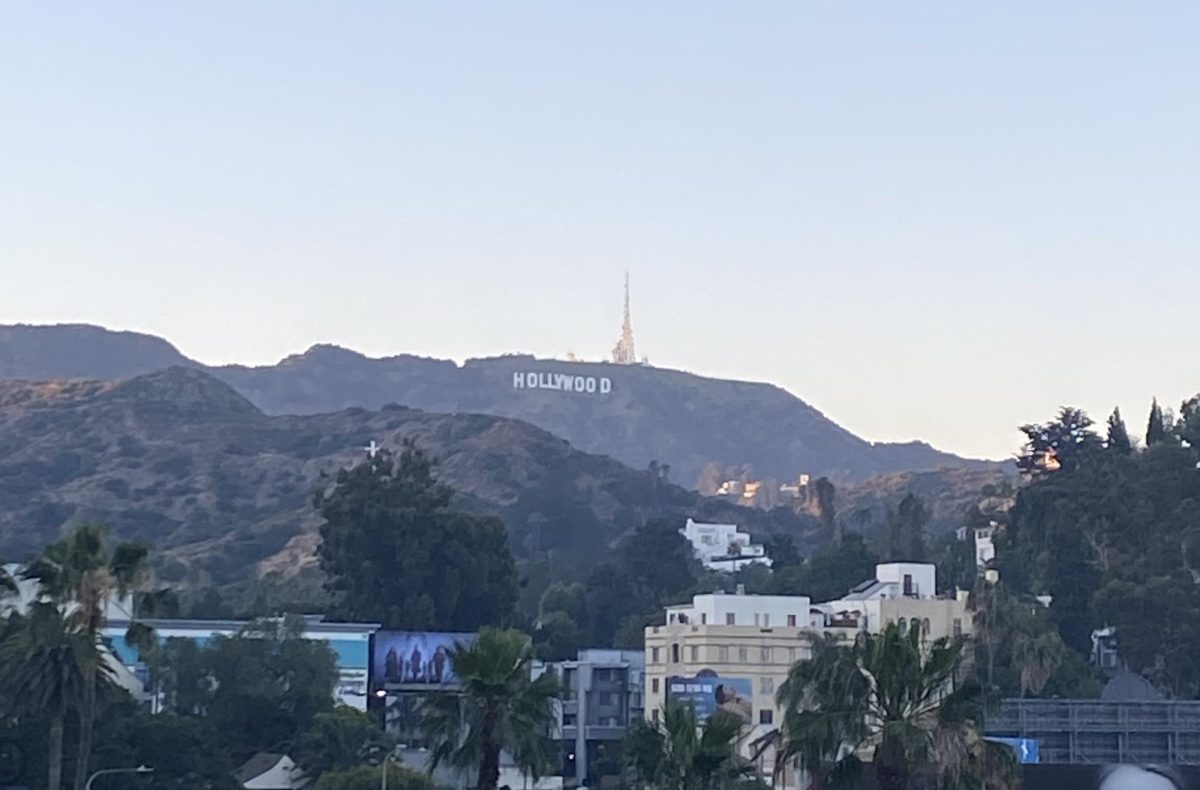
Many argue that by taking Warner Bros. pictures off the big screen, Netflix would be contributing to the already declining culture of movie-going and further solidifying their status as a monopolizing force in Hollywood.