






















“I’m married to the hustle,” Taylor Swift proclaims on The Life of A Showgirl. What else could explain the singer-songwriter’s nearly two decades of music industry dominance?
Swift’s twelfth studio album is a celebration of her success, both in love and music–a stark contrast to 2024’s The Tortured Poet’s Department, which dealt with themes of heartbreak and doomed fate.
Swift changes the narrative on Showgirl with “The Fate of Ophelia.”Rather than be resigned to a cursed prophecy, she rejoices that her heart has been “saved from the fate of Ophelia” instead of drowning in melancholy. The allusions to Hamlet and film sets (“I heard you calling/On the megaphone”) paired with the alluring production of Max Martin and Shellback make for a captivating first track that sticks in the mind.
“I’d say that Swift’s description of the album as having ‘infectious melodies’ was accurate,” senior and Spartan Expressions club secretary Maya Frawley said. “While the album’s primary focus isn’t complex storytelling, certain songs like ‘Father Figure’ have compelling narratives.”
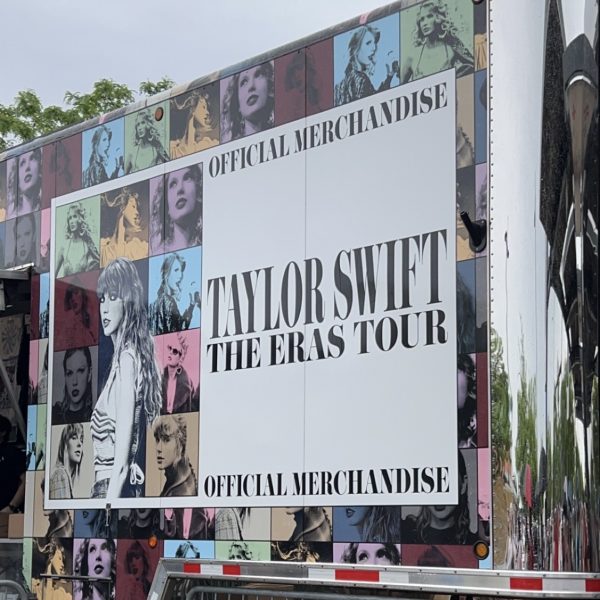
Tracks like “Honey” and “Opalite” provide a sweetness to the album with their catchy choruses and lighthearted lyrics. As Swift sings about finding love while “dancing through the lightning strikes,” there’s a definitive joy between each internal rhyme and tempo switch.
“‘Opalite’ is one of my favorites from this album,” US History teacher Mrs. Worwa, who has listened to Taylor Swift since her early country days, said.. “It’s catchy and I love the message about creating your own happiness… I enjoyed how upbeat and happy this album was compared to [Tortured Poet’s Department] and Midnights.”
“I think it is a little bit of departure from her last few albums,” New Hartford science teacher Mr. DuRoss said. “Fewer ballads, [and] more directly autobiographical in the lyrics.”
Maya Georgi, a writer for Rolling Stone, argues in her review that The Life of a Showgirl has an “edge” that was lacking in Tortured Poet’s Department, especially on “Elizabeth Taylor.”
On Tortured Poet’s Department, Swift softly recounted the quiet tragedy of “Clara Bow,” but on “Elizabeth Taylor” she uses booming production to command forceful emotion into each lyric.
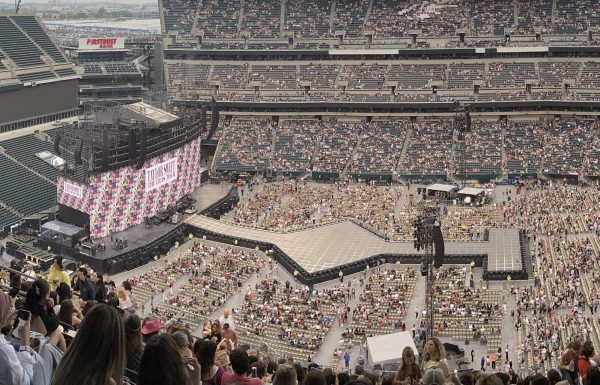
“You’re only as hot as your last hit, baby,” she sings with reckless force, further building an Old Hollywood motif that stretches the length of the album. (Much of the promotional material featured Swift with ‘50s curls on retro film sets).
Despite many wins, some tracks do not hit the caliber Swift has established for herself over the years. “Cancelled” tries to recreate what Swift already achieved with “Look What You Made Me Do” and “This Is Why We Can’t Have Nice Things” three albums ago, while the production calls to mind Halloween and is lyrically inconsistent in quality.
“Eldest Daughter” contains similar pitfalls. An over-reliance on internet terms (“trolling”, “memes”) leaves the lyrics feeling cliche and dated. The production – a simple piano melody – is somewhat disappointing in an album filled with interesting sonic choices and bold production, and it fails to save the lyrical maladies.
“‘Eldest Daughter’ stands out as a weak point in her discography,” says Maya Frawley. “The song’s more corny lyrics stick out like a sore thumb given its serious tone.”
The title track, a duet with Sabrina Carpenter, is a thesis statement for the album. As the duo sings about the life of fictional showgirl “Kitty,” they describe the painstaking labor of fame with lyrics like “I paid my dues with every bruise/I knew what to expect” and “They ripped me off with false lashes/And then threw me away.”
But there’s an unmistakable optimism in the title track, despite the hardships endured. Yes, they’ve faced the worst of it but now they’re at the top, or they’re “immortal now,” as Swift proclaims in the bridge.
As a concluding track and an album, “The Life of A Showgirl” is a declaration of love for a lengthy music career filled with industry success, feuds and betrayal, and finding joy in the midst of it all.