

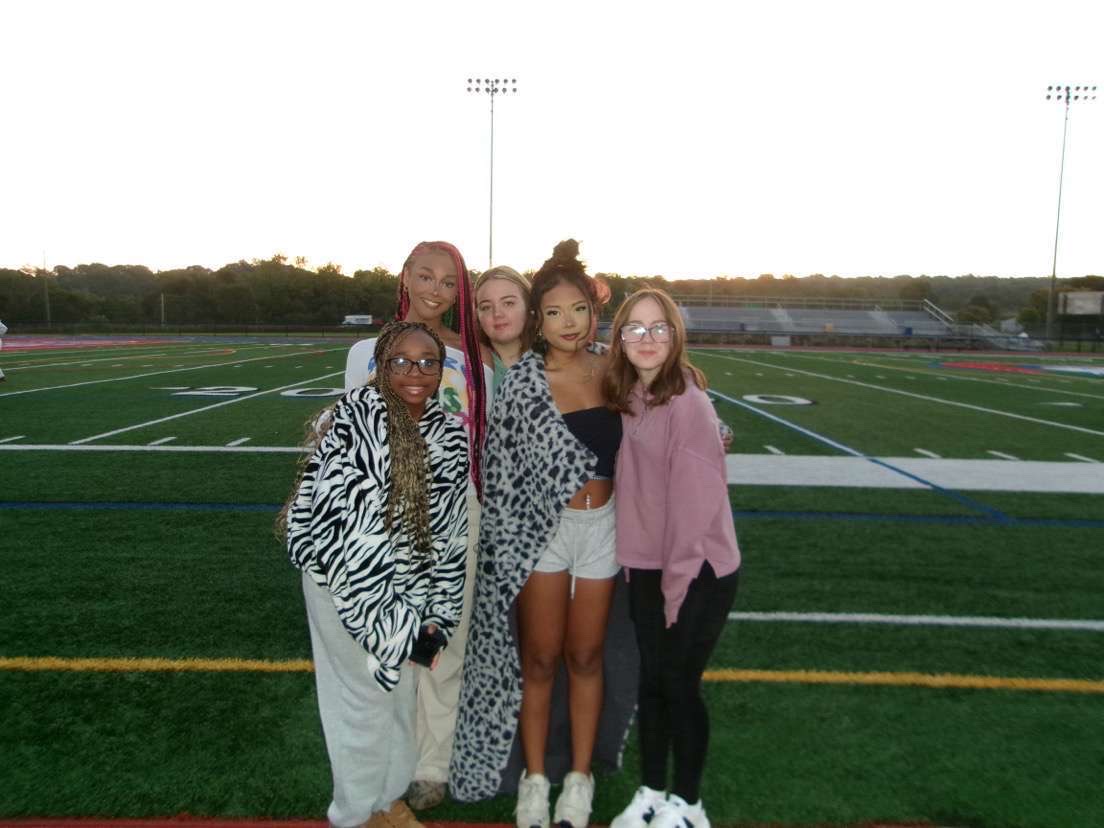




















Through the interview of 23 total students who are/have taken AP Biology, I have gathered opinions about what the course entails and the most efficient way to get a high grade in it, and will share what to do and what not to do.
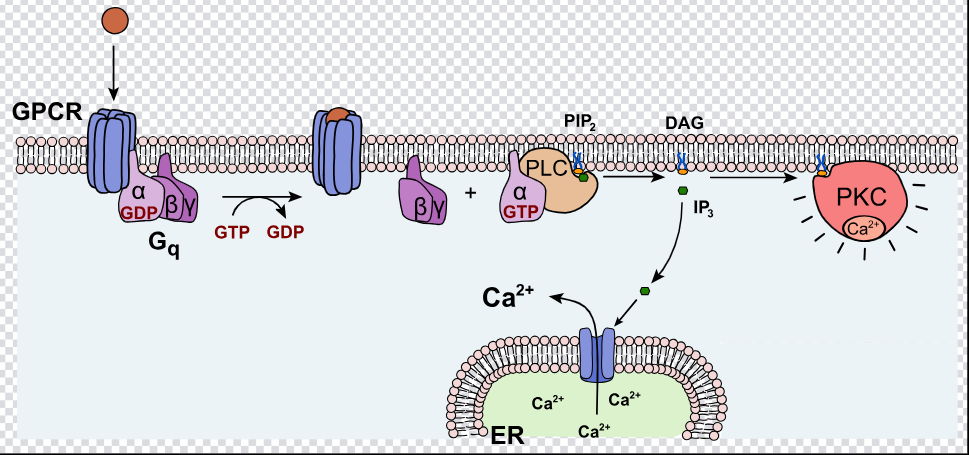
The most important thing is also the most obvious thing: understand the topic. This does not mean to memorize on a surface level. This means to really understand everything in relation to the system. Everything has a purpose, and it is very important for you to know the purpose. Lots of people claim that it is memorization heavy, which is true as Vincent Lin said, “There’s a lot to memorize.” A lot of the questions selected have answers that are easily answered from memory. But memory is not everything. A lot of previous biology students I interviewed have no idea what GTP nor GDP is in the context of biology, yet these are extremely important things that no biology student should forget.
Even the current biology students do not know what GTP is as they also employ the pure memorization method. Most people I asked don’t know what these things are, but Cait O’Connel and Selma Turkakin were immediately able to identify them and say they are part of “cell signaling.” Both of these people had invested a lot of time studying, so it wasn’t just pure memorization.
Cait O’Connell said, “before tests, I pretend to be a teacher with a whiteboard and learn through teaching” which is definitely a good idea, and Selma said, “I put a lot of work into the AP classroom, use the practice tests and quizzes, and I use the textbook a lot.”
Just memorization will not get anywhere, but using the context of what the thing you are memorizing helps dramatically. In the instance of teaching, one has to learn the complete usage and interactions with other objects to define the structure in biology, requiring a solid contextualization of the environment. The AP style questions are made in a way that requires students to contextualize the memorized concepts, whether that be photosynthesis or evolution of a rat. Doing problems is one of the easiest and most efficient ways to train thinking as the AP makers test exactly that because it is to train future scientists.
“Education is not the learning of facts, but the training of the mind to think,” Albert Einstein said.
Perhaps this is the hardest part of learning AP Biology, or maybe it is the easiest. As courses get progressively harder, education stops being memorization. For me growing up, I hated my 2nd grade spelling quizzes because I would fail every single one. I still have trauma spelling “beatiful” instead of “beautiful” and losing points in 2nd grade English. However, 11-12th grade English is rarely about spelling and more about expressing opinions and supporting them. This shift is the same in science as well. You can get away with pure memorization (If you are really good) in elementary school, middle school, and high school. You would struggle in undergrad but it wouldn’t be that bad. However, in any real world science or grad school, you can’t get away with pure memorization anymore. These AP courses train the future scientists, and the most crucial component of any scientist is to think. This is something innately human and different for everyone. The creative notions of thought can’t even be replicated by the current day and age super LLMs (Large Language Models or current AI). Your mind matters, and higher education trains that thinking. A lot of the questions in AP bio are not straightforward; they require application. This is agreed by most interviewees as yet again, it goes to show that the application of the memory is important. In fact, this trend can also cover all courses, from AP Calc, to AP Physics 1 and 2, to APUSH. Memory matters, but your creative thought is the key to cracking all these difficult courses into easy free 100s.
Another important factor to consider for your success, is to not get bored by the beginning topics. Everyone I interviewed has agreed that the first unit has a lot of overlap, but later on the course gets harder with more and more in depth reasoning and context. Whether you think this is a time waster or not, it exists. Sometimes things get boring because of the overlap. Other students have found methods to combat this boredom, as for example Dylan Berg said, “I find myself looking at Blue [the pet skink] and the window.”
But if there is new content, you need to pay attention. One of the easiest ways to fall out of line is to think the course is easy and never pay attention. I urge the seniors who are looking at AP Biology, resist senioritis! And the rising juniors, pay attention!
And of course, Mr. Rogan. Many people said that you were the most interesting thing in the entire course of AP Biology.