

















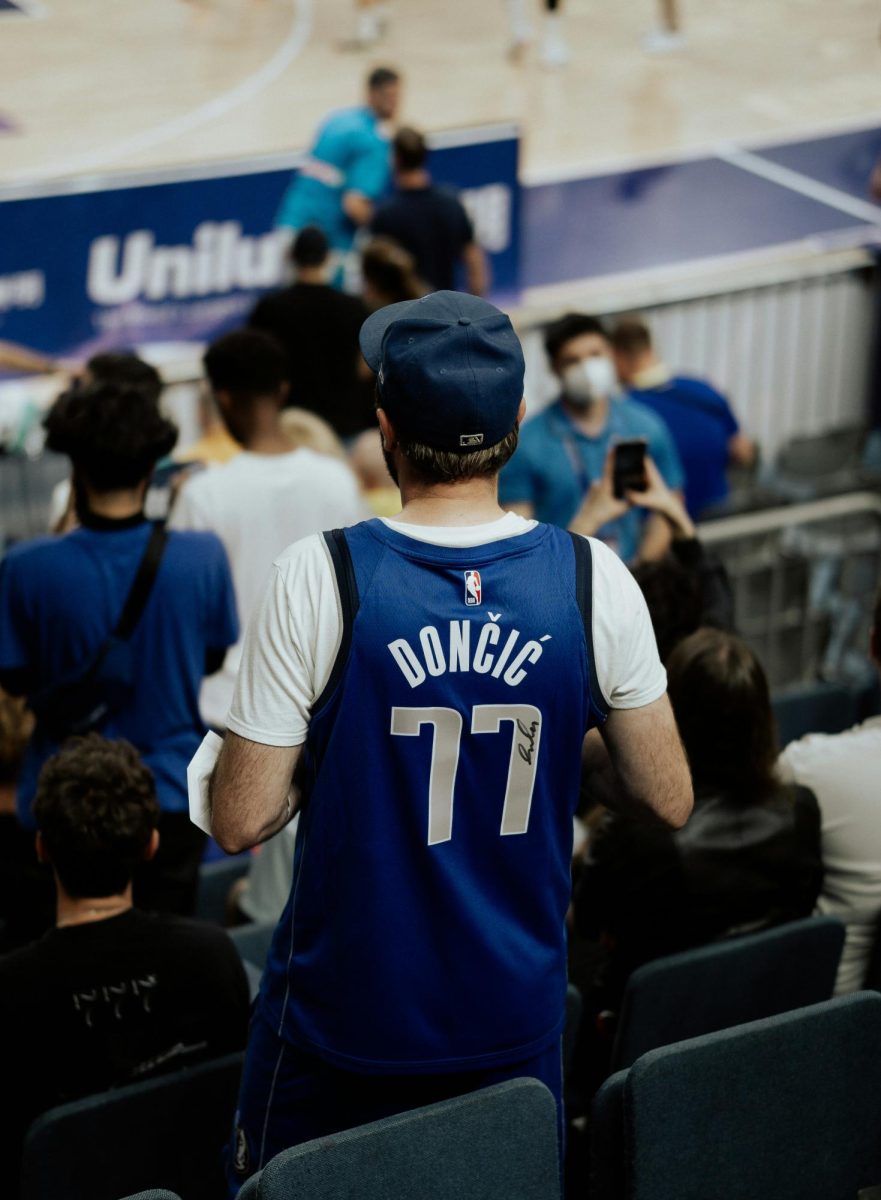
As the clock struck midnight on February 2nd, just 12 minutes into the new day, the NBA world had changed forever. The Dallas Mavericks had traded their face of the franchise, Luka Dončić, to the Los Angeles Lakers in a three-team deal centered around Anthony Davis.
At first, it didn’t even feel real. Fans questioned whether or not the insider who broke the story had been hacked. Trades do happen in the NBA but not like this.
So why did this trade happen? And a year later, what does it actually mean for the league?
For Dallas, the idea was simple: win now. They believed bringing in Davis would raise their ceiling immediately. Instead, no surprise, the opposite happened. Injuries, inconsistency from Davis and others occurred within months. Just recently, Davis was eventually moved again, this time to the Washington Wizards for not much in return and the front office that made the deal didn’t last much longer either.
When I asked New Hartford alum Jack Ruhmel whether this trade might change how teams value “win-now” players versus generational talent, he didn’t think the entire league would overreact. But he did think it said a lot about Dallas.
“I think that no NBA player is as ‘safe’ as they once were to a trade,” Ruhmel said. “The NBA is a business, and I think the transactions the Mavericks are making is due to what Nico Harrison believed their current team was capable of rather than all front offices in general. All teams are in different states, teams that think they’re capable of winning are more willing to give up picks while rebuilding teams are more willing to give up older players. I think the Luka trade was more of an evaluation of how Nico viewed their team at the time rather than an entire league shift. I think the Mavericks moves were a mistake and I don’t think other front offices will follow. Generational talents like Jokic, Shai, and Wembanyama shouldn’t be moved anytime soon.”
And when it came to the reasoning behind the trade, questions about Dončić’s conditioning and effort, Ruhmel made it clear that wasn’t enough to justify the return.
“He is a generational player, and I think if you trade him you have to get more picks and a better player than an older, injury-prone Anthony Davis,” he said.
While things unraveled in Dallas, everything seemed to click in Los Angeles.
Dončić didn’t just play well– he thrived. Paired with LeBron James, he became part of a duo that felt almost unfair at times. Watching it unfold, Lakers’ fan and also a New Hartford alumnus, JP Jerome, described the experience in a way a lot of fans can relate to.
“To be completely honest, I felt it was like a cheat code having him play for the Lakers,” he said. “I felt bad for all the other teams having to play us on a nightly basis.”
He added, “It definitely lived up to the hype, both of them being on the floor is some of the best basketball you’ll see.”
Even when one of them sits, he pointed out, the level of play doesn’t really drop off, something that separates good teams from great ones.
As for Mavericks fans?
“I feel for the fans… but as for their organization, I don’t show any sympathy because they gave us Luka for a bag of pennies,” Jerome stated.
The Lakers look like a strong team for years to come. But for the Mavericks, they are still trying to figure out how to build around their 1st overall pick from last year, Cooper Flagg.