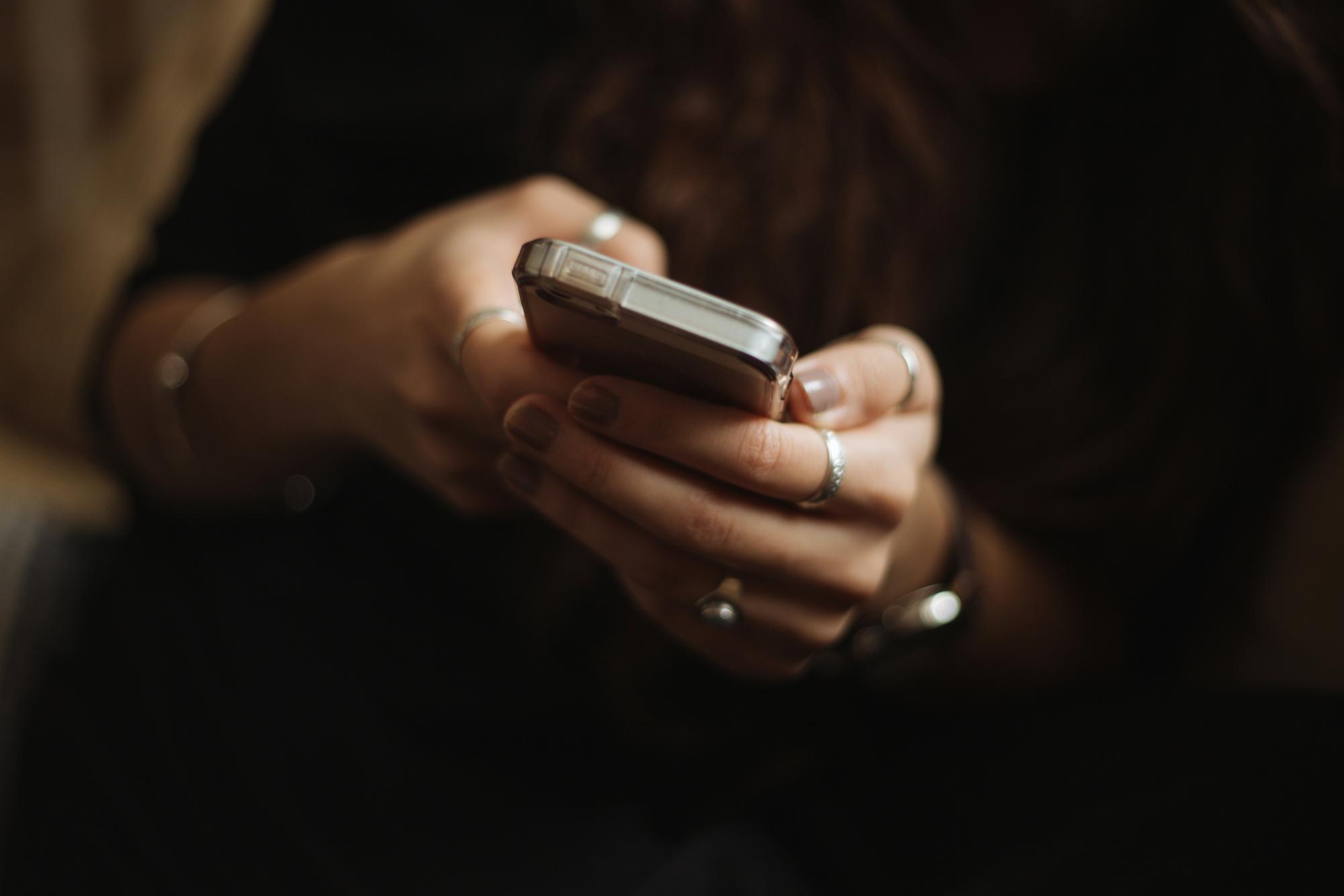

How many times have you checked your phone during class? How many times have you been caught?
When the state of New York prohibited cellphones in schools last year, Governor Kathy Hochul argued the ban was needed to safeguard “the necessity of ensuring safe and productive learning environments for students and educators.” This begs the question: has the statewide cellphone ban been effective, now that it has been in place for half a year?
James Cooper, a sophomore, thinks the answer to that question is yes.
“The cellphone ban is effective because it limits classroom disruptions and promotes a more effective learning environment,” he said. “It prevents distractions from other students and allows for more quiet time to focus during lessons and independent work.”
Parker Putnam, a senior, disagrees.
“I don’t think it’s effective because it doesn’t change how people act outside of school,” he argues. “If anything, it makes it worse.”
He also does not believe the cellphone ban helps him learn better.
“For some people it might, but for me personally it doesn’t,” Parker said.
Despite objections from some students, plans for statewide cellphone bans have gained traction across the country. According to ABC, 20 states and territories have implemented school cellphone bans. Some have taken a different approach – such as Puerto Rico mandating districts create their own cellphone policies, tailored to their specific needs. Others, such as Maryland and Wyoming, have no statewide restrictions at all. The governor’s website states that New York bans all internet-enabled devices from bell-to-bell, making it the most populous state to do so.
Mr. Romanow, the dean of students, has mixed feelings about the ban being controlled at the state level.
“It’s [the ban] been easier to enforce because the state’s backing it,” Mr. Romanow said. “There was definitely some negativity towards it last year when it was just our own policy. The conversation with parents is easier because it’s a state policy now.”
However, he does admit that he “wish[es] districts were given more authority to enact policies that make the most sense in their buildings.”
Specifically, Mr. Romanow points out that New Hartford is one of the few districts in the area and in this state that has open-campus lunch, which poses a unique challenge for the district when it comes to implementing the state’s policy.
Mrs. Clive, an English and journalism teacher in New Hartford, believes that the ban has mostly been positive.
“I think cellphones are just very distracting for both students and adults,” she said. “Before the ban, most of my students had their cellphones, and most of them used them…even when I was giving directions.”
Regarding the ban’s effectiveness, she said she has had very few violations this year.
“I feel most students are complying,” Mrs. Clive said. “Is it possible some of them are sneaking a look? I assume it’s possible, but I have noticed that students are much more productive and engaged when phones are prohibited. I think the ban has the intended effect and the benefits outweigh the drawbacks.”
Certainly, there are drawbacks. In her journalism class, for example, the biggest challenge of the cell phone ban is a lack of access to pictures from student photographers. Prior to the ban, students used their phones as cameras, and it was an advantage for publishing content on Spartan Expressions.
Nevertheless, she believes that teachers overwhelmingly support the ban.
“Teachers want students to be successful,” Mrs. Clive said. “I think students can think better, communicate better, calculate better, whatever subject area, when their minds are focused on the task at hand. I think having a cellphone slows down their growth.”